Sightseeing Killarney and Kerry
A journey through Ireland’s most captivating landscape
Nestled in the southwest corner of Ireland, County Kerry is a region of remarkable scenic beauty. From Ireland’s highest mountain peaks to emerald lakes and dramatic Atlantic coastlines, it remains one of the country’s most rewarding destinations for those drawn to landscape and heritage.
Staying at Coolclogher House places guests at the heart of it all. With Killarney National Park on the doorstep and the town just minutes away, there is easy access to many of the region’s most celebrated sights, from lakes and historic sites to coastal drives further afield.
The mild climate, influenced by the Atlantic Ocean and the warm Gulf Stream, makes exploring this varied landscape a pleasure throughout the season, whether on a short outing or a full day of sightseeing.
The Three Peninsulas
County Kerry’s defining geographic feature is its three grand peninsulas, each extending into the Atlantic with distinct character and charm. These ancient formations have shaped the region’s landscape and inspired countless visitors.
Dingle Peninsula
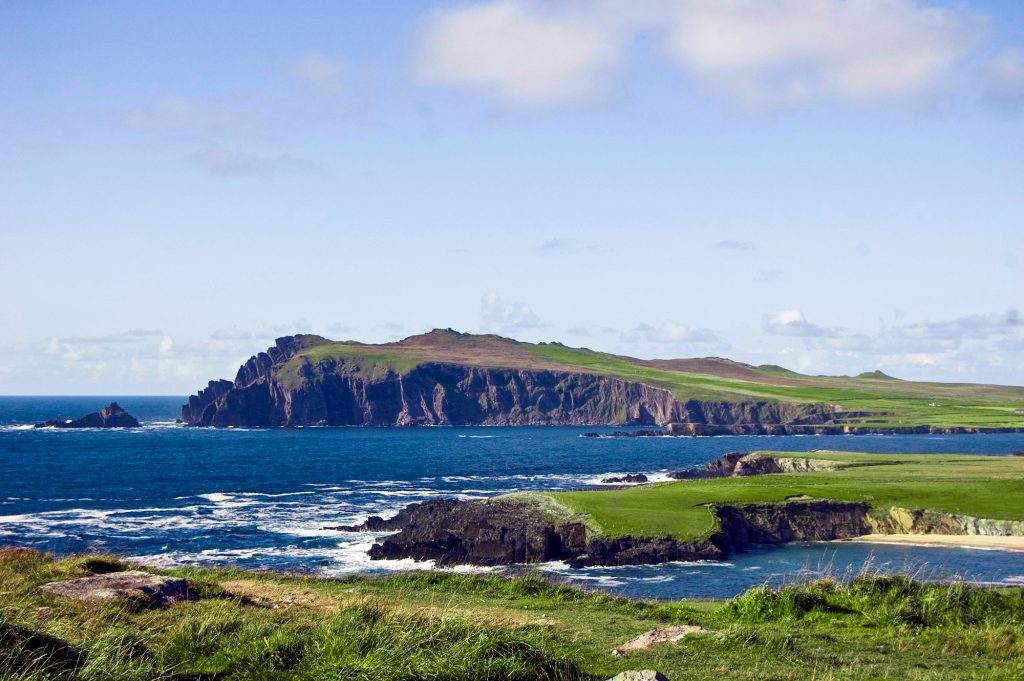
The westernmost point of Europe, Dingle Peninsula is renowned for its dramatic coastal scenery, golden beaches, and exceptional concentration of early Christian heritage sites. The landscape reveals layers of history through ancient monastic settlements, beehive huts, and stone forts that date back over a thousand years.
Iveragh Peninsula
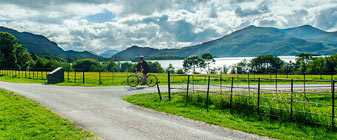
The Iveragh Peninsula craddles the celebrated Lakes of Killarney and is framed by MacGillycuddy’s Reeks, Ireland’s highest mountain range. This peninsula encompasses Killarney National Park and is home to the Ring of Kerry, a 180-kilometre circuit that has become one of Ireland’s most iconic drives. The landscape encompasses historic sites, pristine beaches, dramatic mountain passes, and charming villages, making it the most visited and most botanically diverse of the three peninsulas.
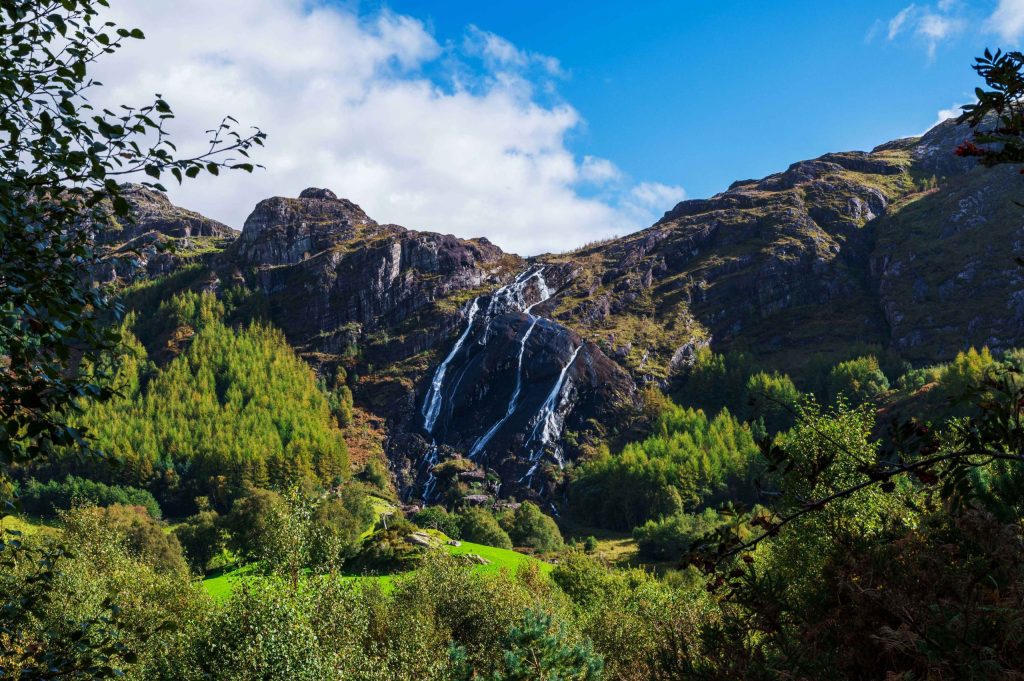
Beara Peninsula
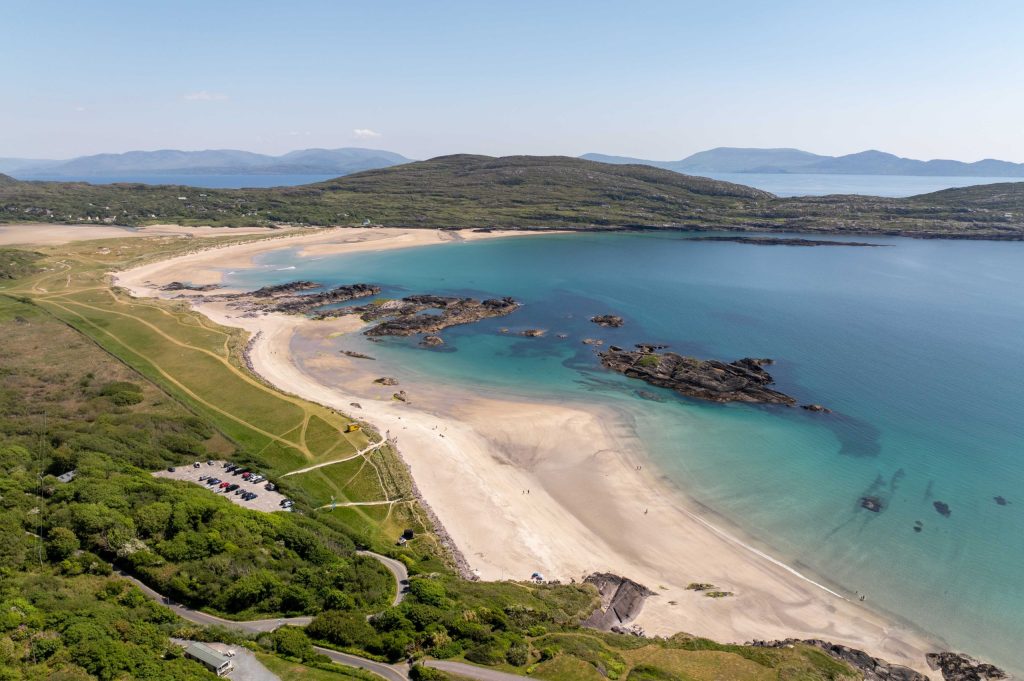
Stretching between Kerry and Cork, the Beara Peninsula is the most wild and least developed, preserving a craggy landscape of steep valleys and dramatic coastal cliffs that appeals to those seeking solitude and natural grandeur away from more travelled routes.
MacGillycuddy’s Reeks
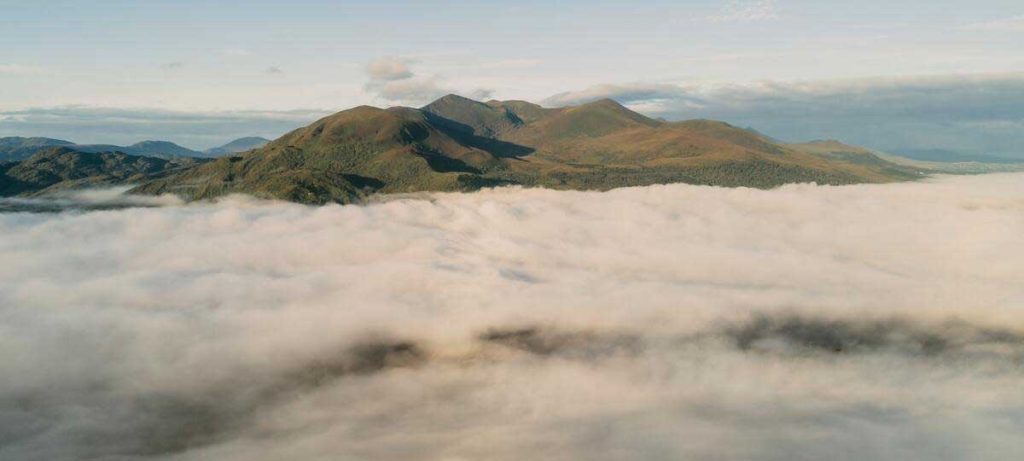
Ireland’s highest mountain range dominates the landscape with towering peaks and rugged grandeur. Carrauntoohill, at 1,039 metres (3,414 feet), is Ireland’s highest mountain and commands breathtaking views across the region. Beyond the principal peaks, other notable mountains including Torc Mountain and Mangerton offer accessible walks with panoramic vistas, making them popular choices for those seeking mountain scenery without extreme technical difficulty.
Formed by ancient glacial activity over millennia, these mountains represent one of Ireland’s greatest natural achievements, a dramatic backdrop to the tranquil lakes and fertile valleys below. The range shapes the entire landscape of central Kerry, visible from nearly every vantage point and inspiring countless visitors with their enduring majesty.
The Gap of Dunloe
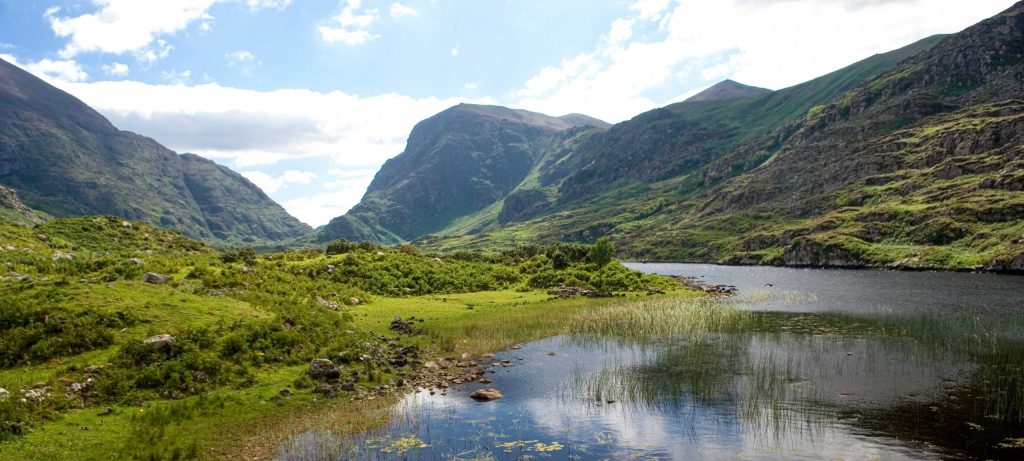
This magnificent glaciated valley stands as testimony to nature’s vast sculptural power. Created over 20,000 years ago when immense glaciers carved a path through MacGillycuddy’s Reeks, the Gap rises between towering cliffs and isolated mountain lakes.
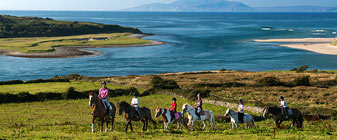
Today, its dramatic landscape—with cascading waterfalls and panoramic vistas—represents one of County Kerry’s most treasured natural attractions. Experience it as countless visitors have done: by traditional jaunting car, on horseback through mountain passes, or on foot along well-trodden paths.
The journey reveals the Lakes of Killarney beyond, their waters gleaming in the valley’s embrace.
Killarney National Park
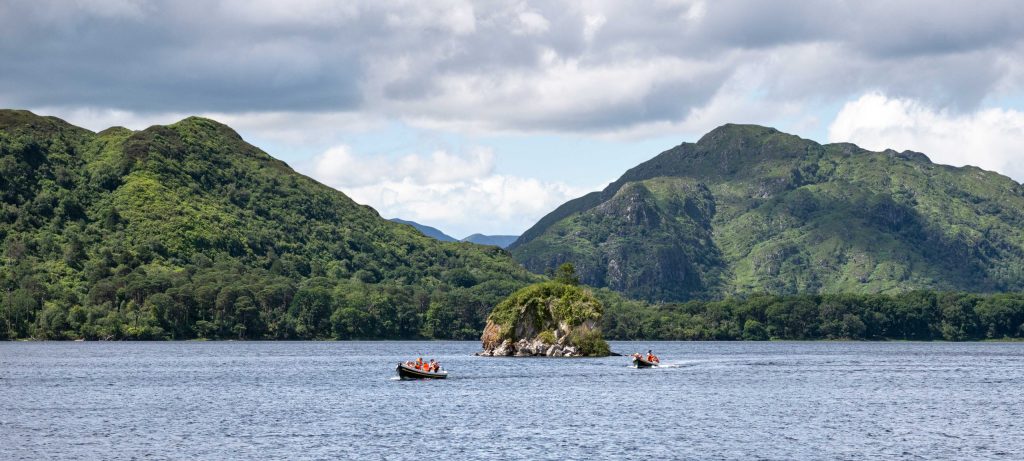
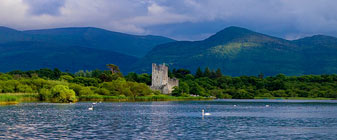
Ireland’s first National Park, established in 1932, protects 10,236 hectares of pristine wilderness. The park encompasses the celebrated Lakes of Killarney, three interconnected lakes of distinct character, and sweeping uplands of red sandstone that rise majestically above.
The Three Lakes
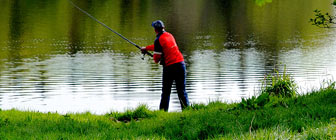
The Lower, Middle, and Upper Lakes are linked by natural waterways, creating a network of aquatic beauty. Their waters support healthy populations of Brown Trout and an annual salmon run. For centuries, sport angling has been central to the region’s appeal.
Wildlife and Landscape
The park’s mountainous terrain supports extensive blanket bog and, uniquely among Irish wild landscapes, a free-roaming native Red Deer herd. The remoteness and inaccessibility of these upland areas have allowed this rare population to thrive undisturbed.
Torc Waterfall
The Owengarriff River creates a picturesque cascade through the wooded Friar’s Glen, dropping 18 metres into Muckross Lake. A scenic path winds upward to the waterfall’s crown, rewarding visitors with views of Torc Mountain rising beyond.
Muckross House & Farms
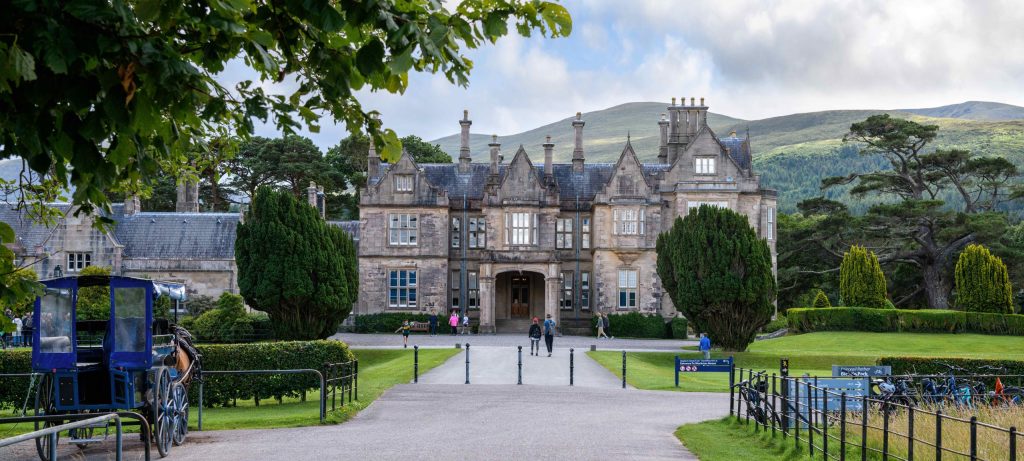
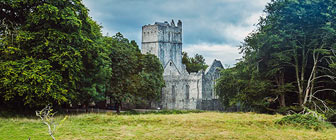
Situated on the shores of Muckross Lake within Killarney National Park, this magnificent Victorian mansion was built in 1843 and now serves as a window into a bygone era of refined living. The estate’s gardens are a celebration of horticultural excellence, with extensive collections of Azaleas and Rhododendrons flourishing in the mild climate, complemented by an elegant water garden and a rock garden carved from natural limestone outcrops. An arboretum showcases hardy specimens from across temperate regions.
The furnished rooms contain locally crafted furniture and objects of historical significance. Skilled artisans continue time-honoured traditions, including book-binding, pottery, and weaving. Adjacent to the house, Muckross Traditional Farms recreate the daily rhythms of working farmsteads before electricity, where all labour was performed using time-tested methods. Meet the farmers and their families as they carry out their work in houses, fields, and with livestock.
Website: www.muckross-house.ie
Skellig Michael & the Skellig Islands
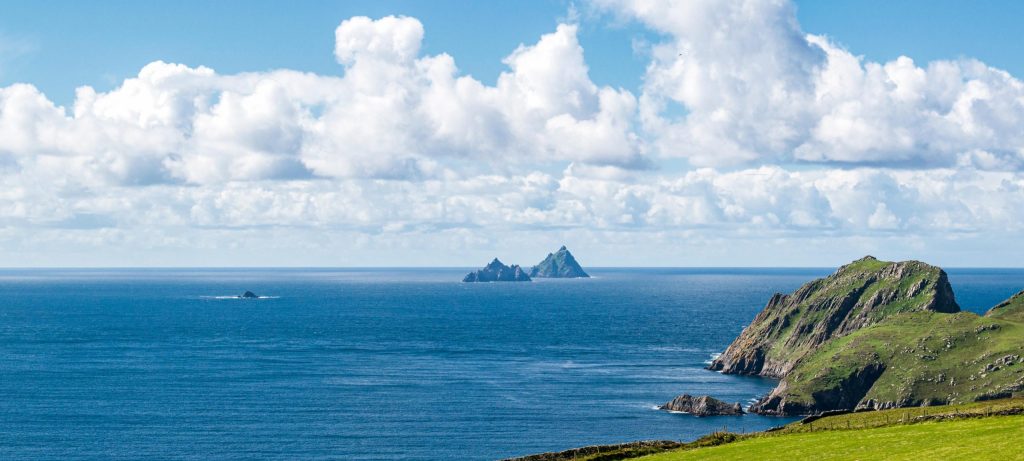
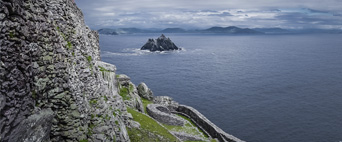
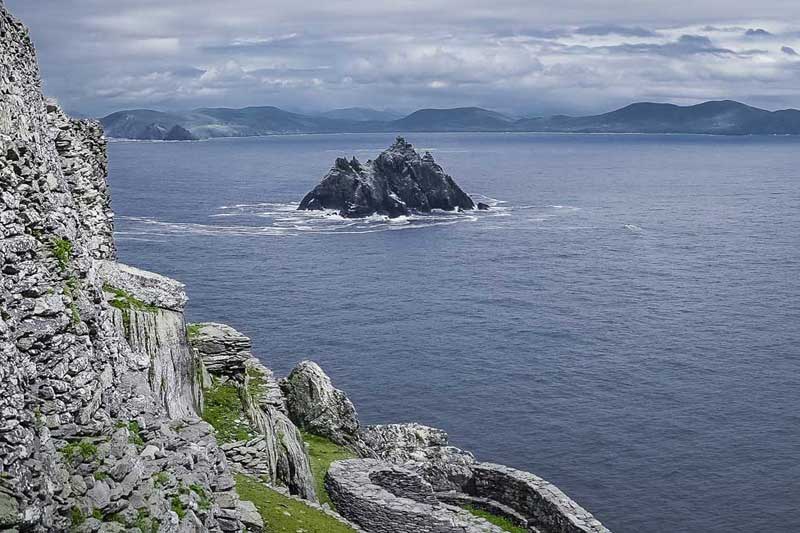
Rising dramatically from the Atlantic Ocean approximately 14km west of the mainland, Skellig Michael is one of Ireland’s most evocative monastic sites. This UNESCO World Heritage Site dates back to around 600 A.D., when monks established a monastery on this exposed rock island.
Early Christian Heritage
The monks who chose this remote outpost demonstrated extraordinary faith and resilience. They built simple stone beehive huts and monastic structures that endured centuries of Atlantic storms, Viking raids, and harsh isolation. The monastery remained inhabited until the 13th century.
The Island Archipelago
Skellig Michael stands alongside Little Skellig, which hosts the world’s second-largest gannet colony over 27,000 of these magnificent seabirds nest here. Puffins also make their homes on the islands, their colourful presence enchanting visitors each season. The broader archipelago, with nearby Lemon Rock and Washer Woman Rock, comprises some of the world’s most unspoilt places, preserved largely in their natural state.
Local Towns & Villages
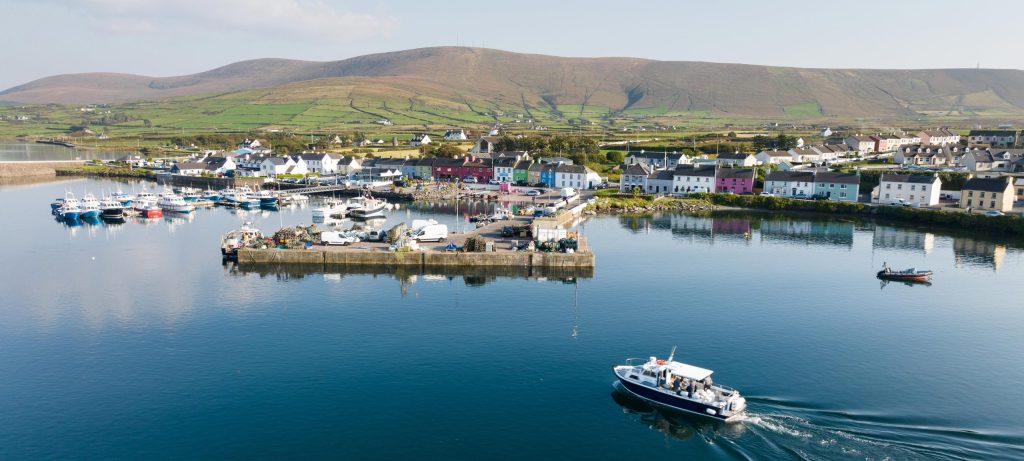
Scattered throughout Kerry are charming towns and villages, each with its own character and appeal. Killarney, Glenbeigh, Knightstown, Portmagee, Cahersiveen, Waterville, Caherdaniel, Castlecove, Sneem, Kenmare and numerous others await exploration along scenic routes including the Wild Atlantic Way and the Ring of Kerry.
Plan your Kerry getaway from Coolclogher House, Killarney, Co. Kerry, Ireland, your ideal base for discovering this remarkable region.
Contact us today to book.
Things To Do